
Pride in Place: a pathway to community renaissance in Wales?
The UK Government has just announced that 9 areas in Wales are to benefit from its Pride in Place Programme. The areas are:
The Sirhowy Valley in Blaenau Gwent, Bargoed, Aberbargoed and New Tredegar in Caerphilly, Ely & Caerau in Cardiff, Llanelli, Llandudno, the Upper Afan Valley, Newport city centre, the Rhondda Fach and the High Street and Dyfatty in Swansea.
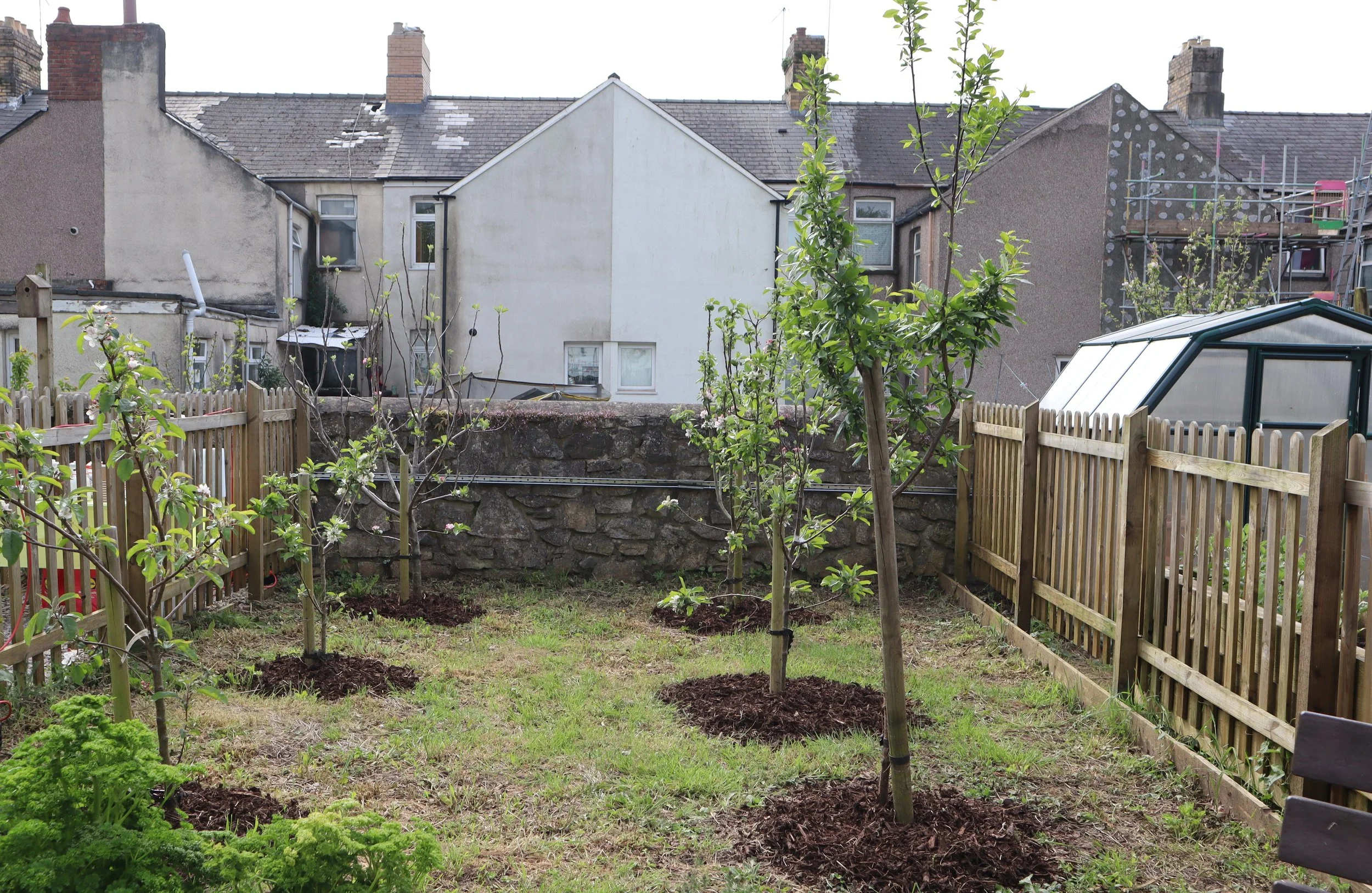
Each area will receive £20m over a ten-year period to “empower local people to tackle the issues that are blighting their communities – whether that’s cleaning up graffiti, saving treasured community institutions or tackling anti-social behaviour”. In reality, Pride in Place is a deeply political programme with its underlying aim to reduce the sense of political disengagement and anguish that is perceived to be common in many economically peripheral places.
The UK Government’s roll out of a programme in what is clearly a devolved issue has been a source of controversy and the disconnect between Pride in Place and relevant Welsh Government schemes is likely to remain – but the programme nevertheless offers an important opportunity to improve the physical and social fabric of communities which many residents feel have been neglected.
However, the success or otherwise of the programme will strongly depend on the extent to which local residents buy into the programme, are able to shape it and feel it really reflects their priorities if the programme is really to address a sense of decline in the identified places.
Fortunately, in many of those places there are already extensive community initiatives in place which offer accessible places to meet, social activities and often key wellbeing and poverty mitigation activities. Many of these organisations or programmes, usually led by local people already engage with diverse groups of residents and should be key partners in Pride in Place in their areas.
In four of the areas (Sirhowy, the Upper Rhymney Valley, Llanelli and in Newport) BCT’s Invest Local programme has been operating for almost ten years which means local residents already have experience of running long term programmes and making key decisions on investments for their local places. In the Afan Valley we are investing in a key community anchor organisation as well as supporting the development of a community network. Similar community organisations can be found in most of the other areas, all providing a key focus for community action locally.
Ultimately, the programme’s success will hinge on how effectively community organisations can create meaningful opportunities for local engagement, and on the ability of local authorities to connect these activities with improvements to the physical realm.
The Pride in Place guidance offers a striking and optimistic vision of collaboration between councils and communities which is missing in both Government programmes like Transforming Towns and community initiatives like Invest Local. Pride in Place has both the long-term funding for community action and capital funding for improvements to the physical fabric.
The key variable which will determine how effective the programme is in practice will be the relationships that can be built between councils and communities – and the degree to which any community engagement process is open to diverse groups of residents. In some of the areas there are already effective working relationships between the local authority and community organisations (with the latter already respected across their localities); in others these are less developed and may in the past have been poor. In the latter cases those involved in the programme, especially leading from the local authority side will need to invest in and nurture the relationships they have with local communities to ensure that Pride in Place doesn’t become yet another example of “things being done to a place”; for the elected members for the areas their political futures may depend on getting this right.